



Driving growth through partnerships









You may not be able to see a dentist right away, but you shouldn't ignore worsening symptoms. The CareMD gives you a convenient way to get evaluated from home.

The CareMD keeps seeking dental treatment online simple:

A dental infection is a bacterial infection that affects a tooth or the surrounding gum tissue. It can cause pain, swelling, sensitivity, or an abscess. Without treatment, dental infections can worsen, damage the tooth or nearby tissue, potentially lead to tooth loss, or potentially spread to other areas.
Avoiding tooth decay is essential to prevent infection or a tooth abscess (a pocket of pus at the root of your tooth). To prevent tooth decay, take proper care of your teeth:
Diagnosing a tooth infection involves a combination of methods to ensure an accurate diagnosis and appropriate treatment. Medical providers start by assessing the patient’s medical history, looking for any previous infections, dental procedures, or underlying conditions that could contribute to the current symptoms.


One of the most common signs of a dental infection is a toothache. The pain can make it difficult to engage in everyday activities like eating, focusing, or even sleeping properly. The discomfort and disruption caused by a toothache can significantly impact your quality of life, making prompt treatment essential to alleviate pain and prevent complications.

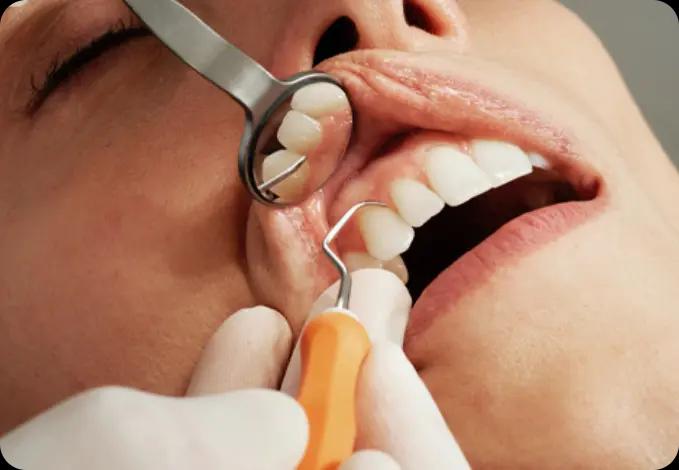
A physical examination and review of symptoms are common ways to check for visible signs of infection, such as swelling, redness, or pain in the affected area. The provider may also gently tap on the tooth to assess sensitivity, which can indicate an infection.
In some cases, X-rays may be used to get a clearer view of the tooth and surrounding structures. X-rays can help identify the extent of the infection, reveal any underlying issues (such as bone loss or abscesses), and guide the treatment plan.

Tooth pain, swelling, and other mouth symptoms can have several causes. A dental infection is one possibility, especially if you notice:

Dental infections can develop when bacteria reach the inside of a tooth or the surrounding tissue. Common causes and contributors include:
An online dentist prescription may help control the infection or relieve pain, but a dentist may still need to address the cause, such as tooth decay, a broken tooth, gum disease, or a problem with previous dental work.
An online visit may help if you have possible signs of infection but cannot get to a dentist right away. If treatment is medically appropriate, an online dentist prescription may help manage the immediate problem until you can get the dental care you need.
Always seek urgent or emergency care for severe or rapidly worsening symptoms rather than waiting for an online visit.
When dealing with a tooth infection, seeking treatment promptly is important to prevent the condition from worsening. Antibiotics and home remedies can help manage and treat a tooth infection.
Common antibiotics used to treat dental infections include:
A dentist prescribes or refills these antibiotics to help eliminate the bacteria causing the infection and prevent it from spreading. In addition to antibiotics, several home remedies can help alleviate symptoms and provide relief:
Rinsing your mouth with warm salt water can help reduce inflammation and clear away bacteria.
Applying a cold compress to the affected area can reduce swelling and numb the pain.
Clove oil has natural antibacterial properties and can be applied directly to the affected tooth to help relieve pain.
Combining these treatments can help you manage a dental infection effectively. If you’re experiencing symptoms, schedule a dental treatment online to get the care you need now.

While home remedies can help relieve some symptoms, a tooth infection requires professional treatment to fully eliminate the bacteria and prevent the infection from spreading. Consult a dentist, who can prescribe antibiotics or other medications.
A tooth infection should never go untreated. If left untreated, the infection can spread to other parts of the body and lead to serious complications. Seek professional care as soon as possible to avoid worsening symptoms.
A tooth infection typically does not go away on its own. Infections can persist and even spread without proper treatment, causing more severe health issues. You should seek treatment to fully address the infection.
No, you don't need insurance for online dental treatment through The CareMD. Our services are available at an affordable flat rate, so you can get the care you need without the hassle of insurance.
Yes, a virtual dentist can prescribe pain medication if necessary, based on your symptoms and the severity of your infection. During your consultation, the dentist will assess your condition and send the appropriate prescriptions directly to your preferred pharmacy.
A provider may prescribe antibiotics after reviewing your symptoms and medical history. Online dental prescriptions aren't guaranteed, and antibiotics don't replace dental treatment for problems such as decay, a cracked tooth, or an abscess.
The CareMD offers online appointments so you can speak with a provider without waiting for an in-person dental visit. How quickly treatment begins depends on your evaluation, symptoms, and whether medication is medically appropriate.
A provider can evaluate your symptoms online and recommend short-term treatment when appropriate. You may still need a dentist to drain the abscess or treat the affected tooth.
When medication is medically appropriate, your provider can send the prescription to your preferred local pharmacy. Our providers determine whether medication is the best course of treatment based on your symptoms and health history.


The CareMD, a revolutionizing healthcare solution, provides virtual clinic facility to the doctors & remote consultation services to the patients


Scan this QR code with your smart phone.



© 2026 The CareMD, LLC. All rights reserved.
The CareMD is a registered Trademark of The CareMD, LLC.