



Driving growth through partnerships









A urinary tract infection (UTI) is a bacterial infection that affects your urinary system—often causing pain, urgency, or a burning feeling when you urinate. It’s one of the most common infections treated today, with over 8 million cases in the U.S. each year.
UTIs happen when bacteria enter the urinary tract—but several everyday factors can increase your risk:
While not every UTI is preventable, small daily habits can reduce your risk of infection:
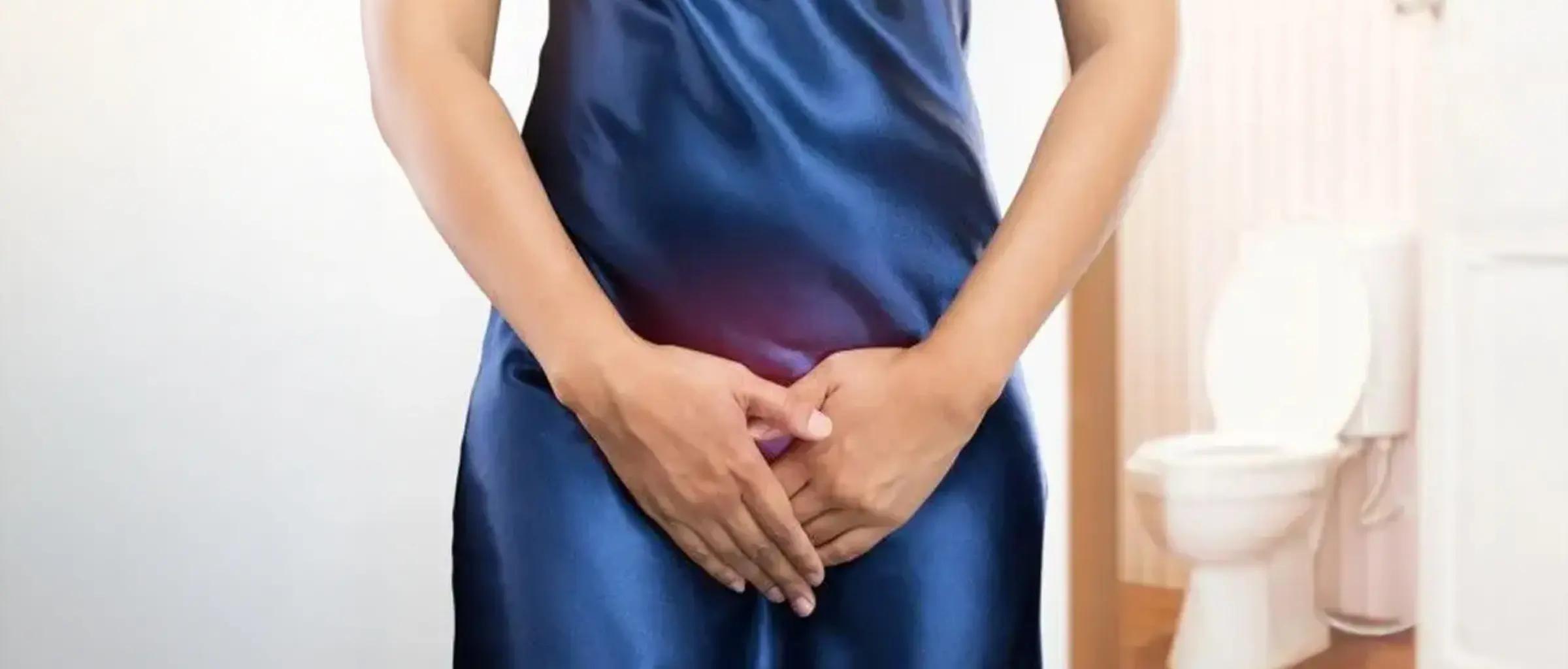
Around 60% of women and 12% of men will experience a UTI at least once during their lifetime. It’s uncomfortable, but treatable—and we’re here to help you feel better, fast.

Don’t wait for symptoms to worsen—connect with a trusted urinary tract infection online doctor today for fast, affordable care.

UTI symptoms can come on quickly and vary from mild to severe, but here are the signs to watch for:
UTIs are typically treated with antibiotics, and the type of medication depends on your symptoms, medical history, and whether the infection is considered simple or more complex. One of our licensed providers will determine the best option for you.
Starting from

Most UTIs start to feel better within a few days of treatment, but more serious or complicated infections can take longer to clear. Everyone’s body is different, so healing times can vary. The sooner you begin care, the faster your provider can help you get back to feeling like yourself.
It’s best to avoid sexual activity while you have a UTI. Sex can worsen symptoms, spread bacteria, and delay healing. Wait until you’ve completed treatment and your symptoms have fully cleared.
Some very mild UTIs may resolve on their own, but most require antibiotics to be fully resolved. Leaving a UTI untreated can lead to more serious complications, including kidney infections. Fast, reliable treatment is the safest choice.

The CareMD, a revolutionizing healthcare solution, provides virtual clinic facility to the doctors & remote consultation services to the patients


Scan this QR code with your smart phone.



© 2026 The CareMD, LLC. All rights reserved.
The CareMD is a registered Trademark of The CareMD, LLC.